


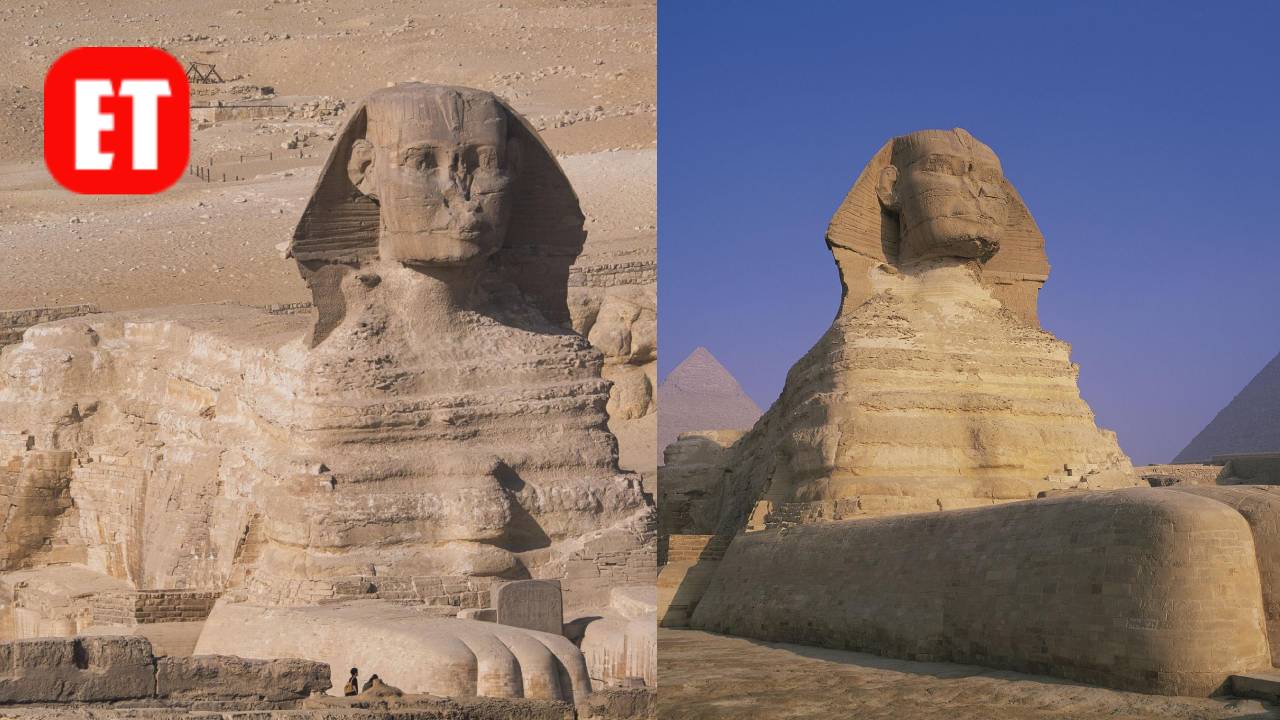
The Sphinx, the Great Pyramids of Giza, and the Pharaohs are all closely associated with Ancient Egypt, one of the most powerful and fascinating civilizations in world history. These iconic symbols represent Egypt’s architectural brilliance, religious beliefs, political power, and cultural legacy that has influenced the world for thousands of years.
Ancient Egypt flourished along the Nile River in northeastern Africa for over 3,000 years. During this time, it developed advanced systems of writing, government, religion, and engineering. The Sphinx, the pyramids, and the pharaohs are central to understanding how this civilization functioned and why it remains so famous today.
The Great Sphinx of Giza
The Great Sphinx of Giza is one of the most recognizable monuments in the world. Located near the pyramids on the Giza Plateau, the Sphinx is a massive limestone statue with the body of a lion and the head of a human. It is believed to represent strength and wisdom, qualities associated with Egyptian rulers.
Most historians believe the Sphinx was built during the reign of Pharaoh Khafre around 2500 BCE. It was likely constructed to guard the nearby pyramids and serve as a symbol of royal power. Despite centuries of erosion and damage, the Sphinx still stands as a powerful reminder of Egypt’s ancient glory.
The Great Pyramids of Giza
The Great Pyramids of Giza are among the most impressive architectural achievements in human history. Built more than 4,500 years ago, these pyramids were constructed as tombs for powerful pharaohs.
The three main pyramids at Giza were built for:
-
Khufu (also known as Cheops)
-
Khafre
-
Menkaure
The largest, the Pyramid of Khufu, was once the tallest man-made structure in the world and remains one of the Seven Wonders of the Ancient World. These massive structures were built with millions of limestone blocks and demonstrate the advanced engineering skills of the ancient Egyptians.
The pyramids were not just tombs; they were religious monuments designed to help pharaohs transition to the afterlife. Egyptians believed in life after death, and great care was taken to preserve the bodies and belongings of rulers for their journey beyond this world.
The Pharaohs of Ancient Egypt
Pharaohs were the supreme rulers of Ancient Egypt. They were considered both political leaders and divine figures, believed to be chosen by the gods to rule the land. The word “pharaoh” originally meant “great house,” referring to the royal palace, but later became the title for Egypt’s kings.
Some of the most famous pharaohs include:
-
Tutankhamun
-
Ramses II
-
Cleopatra
Pharaohs were responsible for maintaining order, leading the military, overseeing construction projects, and performing religious rituals. The pyramids and the Sphinx were built to honor their power and ensure their legacy lived on forever.
Why They Are Connected
The Sphinx, the Great Pyramids of Giza, and the pharaohs are all connected through religion, power, and burial traditions in Ancient Egypt. The pyramids were built as royal tombs, the Sphinx symbolized protection and authority, and the pharaohs were the central figures of the civilization.
Together, they represent the height of Egyptian civilization and remain powerful symbols of human achievement. Even today, millions of tourists travel to Egypt each year to witness these ancient wonders firsthand.
Conclusion
The Sphinx, the Great Pyramids of Giza, and the pharaohs are all associated with Ancient Egypt, a civilization known for its monumental architecture, complex religious beliefs, and powerful rulers. These historic landmarks continue to inspire curiosity and admiration across the world, proving that the legacy of Ancient Egypt is truly timeless.

Erime Editor is the official editorial account of ErimeToday. Articles published under this name are created, reviewed, and managed by the ErimeToday editorial team to deliver helpful guides, technology tips, relationship advice, daily accurate word game answers, anime updates, gaming content, manga insights, news, and useful resources for readers around the world.