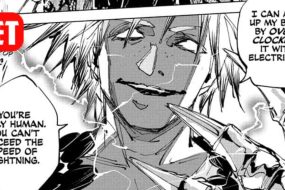



Chainsaw Man chapter 226 lands like a controlled explosion, escalating the series’ political horror and emotional chaos in a way only Tatsuki Fujimoto can manage. The chapter pushes the story further into global-scale madness, blending absurd symbolism with very real fear, while sharpening the ideological conflict between devils, humans, and the fragile systems holding the world together. Rather than slowing down to explain itself, chapter 226 doubles down on shock, implication, and unsettling dialogue, making it one of the most conversation-driving chapters in recent weeks.
The chapter opens in a tense, almost theatrical manner, focusing on the War Devil’s growing confidence and unfiltered ambition. Her words are no longer just threats; they are declarations. The idea of turning national symbols into weapons isn’t treated as metaphor but as a literal possibility, reinforcing the terrifying flexibility of devil powers in this arc. By framing domination and destruction through political imagery, Fujimoto continues his habit of turning abstract fears—war, nationalism, global power—into tangible monsters.
Denji’s role in the chapter is both passive and disturbing. Once again, he is spoken about and acted upon rather than acting with clear intent himself. When the line about turning him into a weapon is delivered, it doesn’t feel like bravado; it feels like inevitability. Denji’s identity crisis, which has quietly defined Part 2, becomes sharper here. He isn’t just a boy or a hero anymore; he’s a resource. A tool. Chapter 226 emphasizes how little agency he truly has when caught between devils who see humans as chess pieces rather than people.
The violence in this chapter is abrupt and visually overwhelming, even by Chainsaw Man standards. Panels are crowded with debris, broken bodies, and distorted forms, creating a sense that the world itself is buckling under the weight of devil interference. There’s little elegance in the destruction; it’s messy, cruel, and disorienting. This chaos mirrors the narrative itself, where no faction appears fully in control, despite their claims of dominance.
One of the most unsettling moments in the chapter comes from the casual mention of “devil pawns.” The phrase reframes everything the reader has seen so far. It suggests that the carnage unfolding isn’t spontaneous but planned, that devils are being deployed in layers, sacrificed strategically to trigger fear, conflict, and mass reaction. This aligns with the War Devil’s philosophy: fear breeds power, and conflict accelerates fear. Humans killing humans becomes not just collateral damage, but the objective.
Fujimoto also leans heavily into psychological horror in chapter 226. The expressions on characters’ faces—especially during moments of realization—do more storytelling than exposition ever could. Shock turns into dread, dread into resignation. The silence between lines of dialogue feels intentional, forcing readers to sit with the implications rather than rushing them along. It’s a reminder that Chainsaw Man’s scariest moments often come not from gore, but from understanding what that gore represents.
The chapter’s pacing is sharp and deliberate. There’s no wasted motion, no side jokes to soften the blow. Even moments that could have been played for dark humor are left raw. This tonal choice signals that the story is entering a more severe phase, one where consequences are no longer theoretical. The scale of the conflict has expanded beyond personal tragedy into something global, and chapter 226 makes it clear that no character is insulated from what’s coming next.
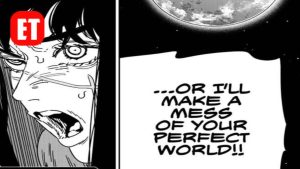
By the end of the chapter, the reader is left with more unease than answers. That appears intentional. Rather than resolving any major thread, chapter 226 tightens them, pulling Denji, the War Devil, and humanity itself toward a confrontation that feels both inevitable and uncontrollable. The chapter doesn’t shout its themes; it lets them linger, trusting readers to connect the dots between power, fear, and manipulation.
As a spoiler-heavy chapter, 226 succeeds not because of a single twist, but because of how confidently it escalates everything at once—stakes, symbolism, and psychological pressure. It’s the kind of installment that reshapes expectations for what the next few chapters will look like, and it firmly positions Chainsaw Man back at the center of weekly manga discourse.
Chainsaw Man Chapter 226 Release Date
According to the official schedule, Chainsaw Man chapter 226 is set to be released on 13 January 2026. As anticipation builds, fans are expecting further fallout from the events of this chapter, particularly regarding Denji’s fate and the War Devil’s next move. If chapter 226 is any indication, the series is heading into one of its darkest and most politically charged stretches yet.