

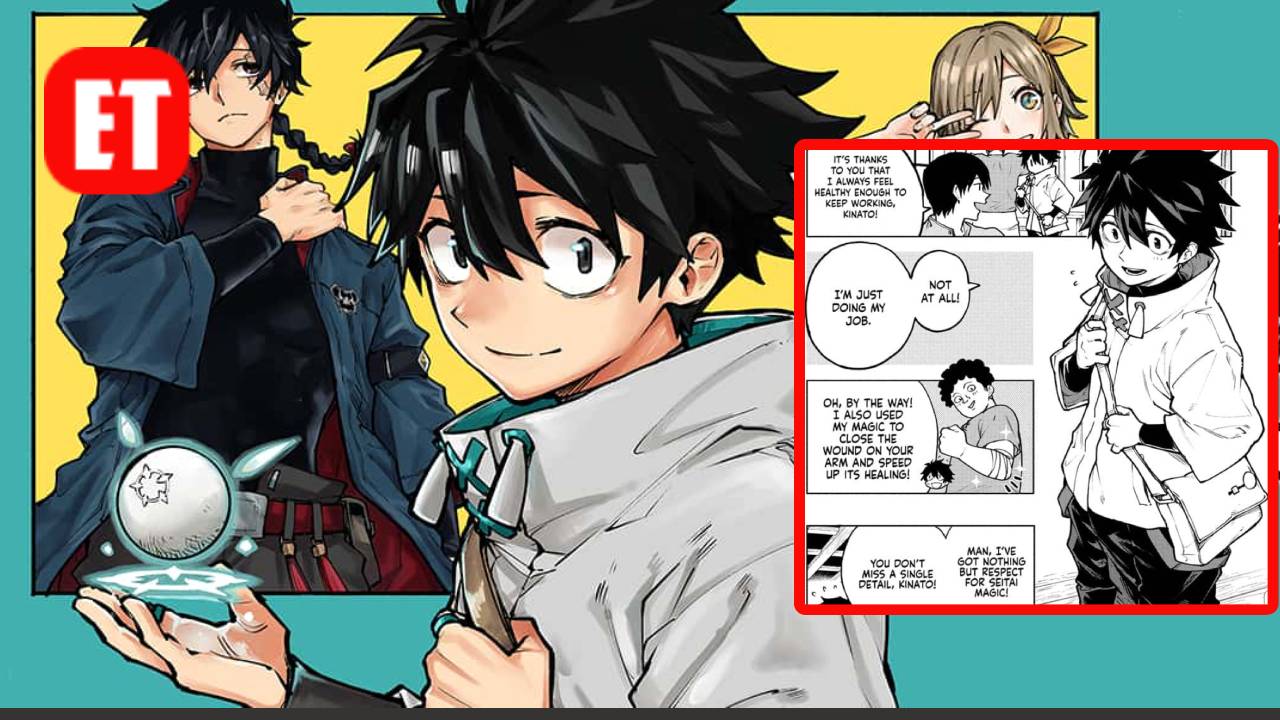
Kinato’s Magic opens its first chapter with a refreshing sense of calm that immediately sets it apart from the typical high-stakes fantasy manga. Instead of beginning with battles, prophecies, or dramatic conflicts, the story introduces readers to Manutuka, a quiet country town in the eastern region of the Ruhuna Kingdom. The setting is modest and peaceful, filled with simple wooden houses and slow-moving daily life, establishing a grounded tone that feels closer to slice-of-life than epic fantasy.
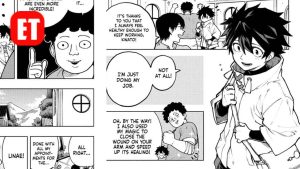
At the center of this calm world is Kinato, a young traveling healer whose work has made him quietly indispensable to the townspeople. The opening scenes focus on villagers gathering around him after a day’s work, expressing genuine gratitude and admiration for his abilities. One praises his magic as incredible, while another credits Kinato for always feeling healthy enough to keep working. These interactions immediately frame Kinato not as a legendary hero, but as a reliable professional whose impact is measured in small, meaningful improvements to everyday life.

What makes the chapter especially effective is Kinato’s attitude toward his own powers. Rather than embracing the praise, he responds with visible awkwardness, scratching his head and insisting that he is simply doing his job. This humility becomes a defining trait. Even when a villager points out that Kinato used magic to close a wound and accelerate healing, an act that would be considered remarkable in most fantasy worlds, Kinato downplays it. He explains that his magic is not flashy and that all he really does is adjust the flow of mana to enhance therapeutic treatment.
This explanation subtly redefines how magic works in the series. Instead of being a tool for combat or spectacle, magic is presented as a technical skill, closer to medicine than to sorcery. The villagers’ comparison of Kinato to adventurers who can shoot flames highlights this contrast. Where others use magic for power and prestige, Kinato uses it for care and recovery, positioning him as a different kind of protagonist within the genre.
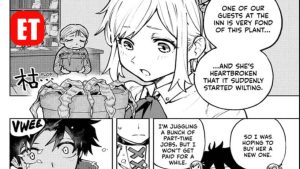
The chapter closes on a light and familiar note. As the scene returns to the peaceful town, a cheerful voice calls out his name. Linae, a bright and energetic girl, runs toward him, reminding both Kinato and the reader that his day is far from over and that more appointments await. It’s a simple ending, but an effective one, reinforcing the story’s focus on routine, relationships, and responsibility rather than destiny or danger.
Overall, Chapter 1 of Kinato’s Magic delivers a quiet but confident introduction. It trades spectacle for sincerity, presenting a healer’s everyday life in a fantasy setting with warmth and restraint. The result is a manga that feels gentle, grounded, and surprisingly refreshing in a genre often dominated by power fantasies. Instead of asking how strong Kinato is, the first chapter asks a more interesting question: how meaningful can magic be when it’s used simply to help people live better lives?

Erime Editor is the official editorial account of ErimeToday. Articles published under this name are created, reviewed, and managed by the ErimeToday editorial team to deliver helpful guides, technology tips, relationship advice, daily accurate word game answers, anime updates, gaming content, manga insights, news, and useful resources for readers around the world.