


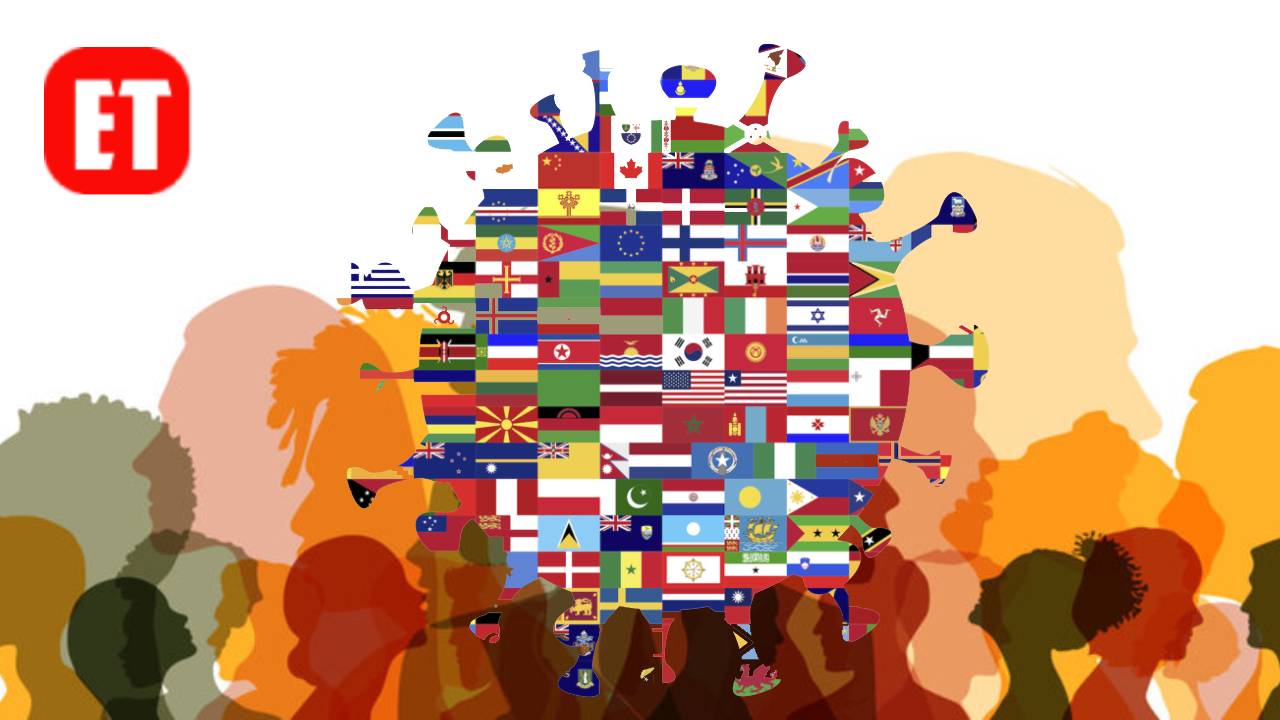
In today’s fast-paced, interconnected world, many of us struggle with understanding what truly makes us “us.” One fundamental aspect of our identity is culture—yet, this is something that’s often taken for granted or overlooked in the hustle of daily life. But what does “culture” really mean? And, more importantly, how do you discover your own culture?
Culture is often seen as a broad concept, incorporating everything from traditions and language to food, clothing, beliefs, and social norms. But it’s so much more than that. It’s the very fabric of your daily life, how you interact with others, and the values that guide your decisions. It shapes who you are, where you come from, and where you’re going. Understanding your culture, in turn, is a powerful tool for self-awareness and personal growth.
So, how do you uncover your own culture? Here’s a guide to help you explore your roots and understand the intricate tapestry of your background.
What Is Culture?
Culture is the collective identity of a group of people, shaped by shared experiences, values, beliefs, and customs. It can be as broad as a national identity, or as personal as the way your family celebrates holidays. Culture often dictates your worldview, how you express yourself, and how you interact with others.
Your culture encompasses the language you speak, the foods you eat, the music you listen to, the traditions you follow, and the values you hold dear. It’s the environment in which you were raised and the experiences you have accumulated throughout your life. The concept of culture is fluid, meaning it can evolve as you grow, learn, and adapt to new environments.
Why Knowing Your Culture Matters
Understanding your culture is essential for several reasons. It offers a deep sense of belonging and pride in your heritage. When you know where you come from, you gain a sense of identity, and that helps in shaping your place in the world. Additionally, it can help you connect with others who share similar backgrounds or foster empathy for people from different cultural contexts.
For example, many people discover a newfound appreciation for their cultural practices when they travel or live in another country. Conversely, the more you learn about other cultures, the better you can understand the different ways people view the world, which is important for building tolerance and fostering global community.
How to Know Your Culture
Uncovering your culture isn’t as straightforward as simply reading a book or taking a quiz. It’s a journey, one that takes time, introspection, and a willingness to explore. Here are some practical ways to begin your cultural exploration:
- Reflect on Your Family’s Traditions
Start by looking at your family traditions, holidays, and rituals. What practices have been passed down through generations? Do you celebrate any specific holidays or eat particular foods during special occasions? These rituals may seem normal to you, but they’re rich in cultural significance. Discussing these with older relatives can offer insight into your family’s roots and how your culture has evolved. - Explore Your Ancestry
Your ancestry can be a treasure trove of information about your culture. Delve into your family history through genealogical research or oral histories passed down through generations. Understanding where your ancestors came from and the cultural practices they followed can shed light on your own cultural identity. - Learn the Language
Language is one of the strongest pillars of culture. Even if your family speaks a common language like English, learning your ancestral language or dialect can open a door to deeper understanding. Language is often tied to specific cultural expressions, idioms, and customs, making it an essential key in deciphering cultural nuances. - Explore the Art and Music of Your Heritage
Art, music, and dance are deeply intertwined with culture. Whether it’s the vibrant folk songs of a particular region, the architecture that defines your hometown, or the stories your ancestors told through art, these elements are powerful reflections of your cultural identity. Explore these forms of expression, and they’ll give you a more tangible connection to your roots. - Engage with Cultural Communities
To truly understand your culture, it’s important to interact with others who share the same background. This could mean attending cultural events, visiting heritage museums, or joining online forums. Engaging with others who identify with your culture can help you understand commonalities and differences within the community and offer a wider perspective on your own experience. - Ask Yourself, “What Defines Me?”
Take time to ask yourself what values, beliefs, and actions define you as a person. What matters to you most? What customs do you hold dear? Reflecting on these questions will help you connect your personal identity to the larger cultural landscape. - Embrace Cultural Adaptation
Culture is not a static concept. It evolves over time, adapting to changing societal values, technology, and geography. While it’s important to honor your traditions, it’s equally important to embrace the evolution of culture. Discover new practices and ways of life while staying connected to your heritage. Culture should be a living, breathing entity that grows alongside you.
Final Thoughts
Finding and understanding your culture is not a one-time task—it’s an ongoing journey that evolves with time, experiences, and the choices you make. Embrace the process of discovery and be open to learning. Your culture is more than just a set of practices—it’s

Erime Editor is the official editorial account of ErimeToday. Articles published under this name are created, reviewed, and managed by the ErimeToday editorial team to deliver helpful guides, technology tips, relationship advice, daily accurate word game answers, anime updates, gaming content, manga insights, news, and useful resources for readers around the world.